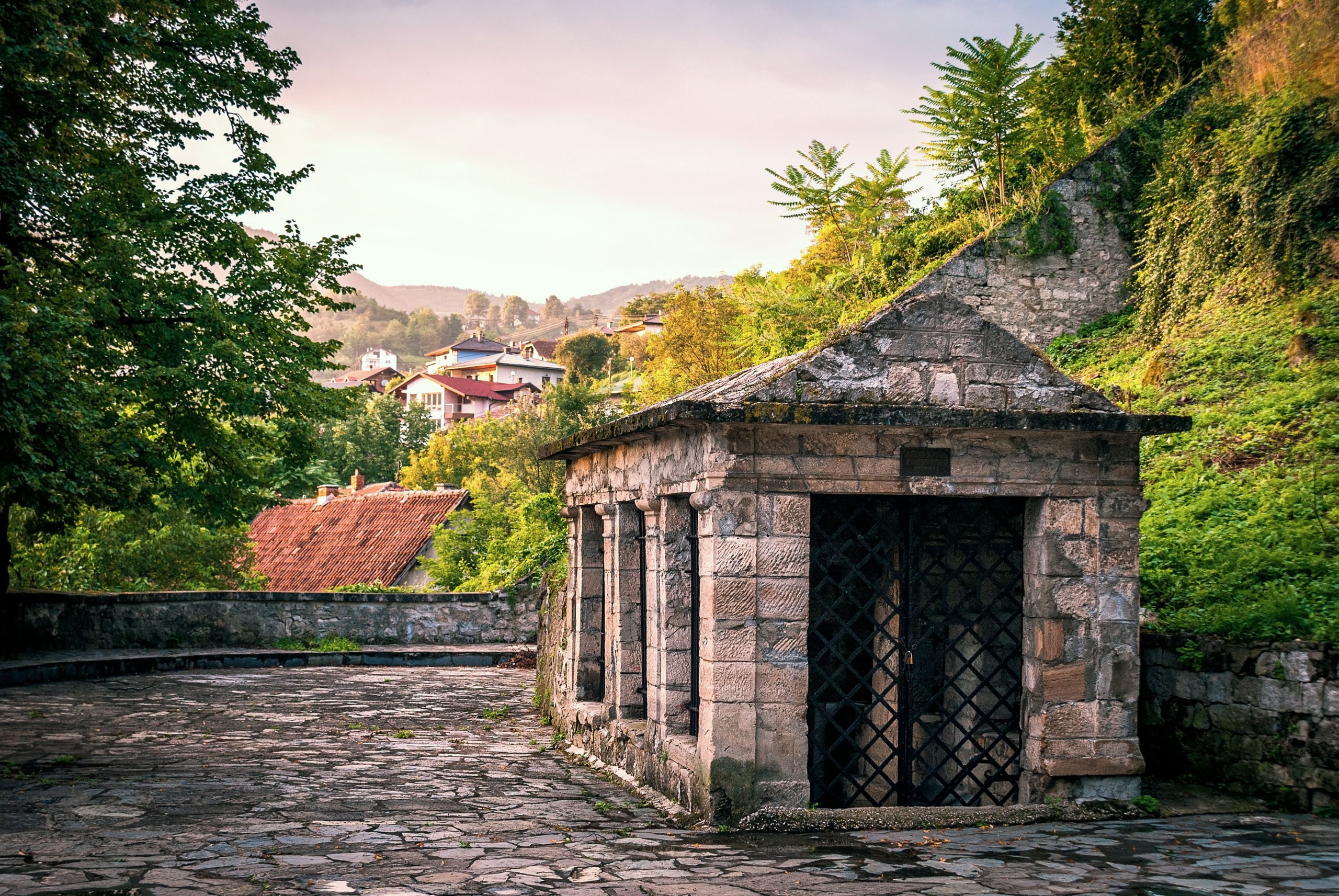
Kravica Waterfalls (Bosnia)
Kravica Waterfalls (Bosnia)
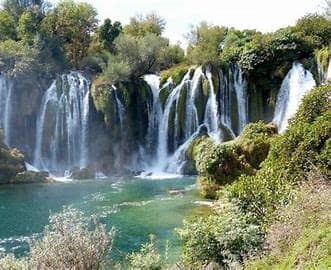
Horseshoe-shaped waterfalls 28 m high and 120 m wide on the Trebižat River, an hour from Mostar and two hours from the Croatian coast.
Less well-known than Plitvice Lakes or Krka Falls, Kravica Waterfalls nonetheless attract numerous travelers on excursions from Croatie. These horseshoe-shaped cascades reach 28 meters in height and span 120 meters across, pouring the waters of the Trebižat River into a turquoise pool. The site is located near the town of Ljubuški in Bosnia and Herzegovina, approximately one hour from Mostar and two hours from major Croatian coastal cities.
Why visit Kravica Waterfalls
Kravica Waterfalls combine several advantages within a compact area: an impressive natural amphitheater, swimming opportunities in warm weather, and a tree-lined environment ideal for walks. The pool at the base of the cascades, accessible after a short descent, offers a welcome water break in summer. The surroundings feature simple amenities (trails, restaurants, parking area) that make visiting easy, even as a half-day trip from neighboring Croatie.
Allow 2 to 3 hours on-site to enjoy the location without rushing, longer if you plan to swim or picnic.
History and formation of the site
The waterfalls formed through progressive erosion of the limestone plateau of the Trebižat River. Travertine, a limestone rock deposited by carbonated waters, shaped the successive tiers visible today. Before the site became a tourist attraction, its channels were used by millers to power their water mills, a few ruins of which remain nearby.
Site accessibility has evolved considerably: since 2014, motorway A1 passes nearby, which has increased visitor numbers and allowed travelers staying on the Croatian coast to easily include it in their itineraries.
What to see and do on-site
The cascade and its pool
The central point remains observing the waterfalls from the bank. Several trails and walkways allow for varied viewpoints. The descent to the pool takes just a few minutes on foot.
Swimming
From June to September, swimming at the base of the waterfalls is possible. The water remains cool year-round (around 10-15°C). Bring swimwear, a towel, and shoes suitable for rocky terrain.
Walks and trails
The waterfalls' surroundings feature shaded trails alongside the river. A small loop of approximately 30 minutes allows you to circuit the site.
Dining
Several establishments line the access to the waterfalls, including Caffe & Restaurant Vodopad Kravice and Sedra restaurant, which serve Bosnian specialties (ćevapi, grilled lamb, trout).
Sports activities
The region lends itself to rafting on the Trebižat, climbing on surrounding limestone cliffs, and cave diving organized by local providers. For a more relaxed approach, horseback riding tours are available in neighboring valleys, as well as visits to Ljubuški vineyards.
When to visit
The season varies depending on what you seek:
- April to May: maximum flow after snowmelt, most spectacular waterfalls, but water too cold for swimming.
- June to September: ideal period to combine a visit with swimming. Heavy crowds in July-August; favor morning visits.
- October to March: reduced flow, low visitor numbers, different atmosphere but less photogenic site.
How to get there
From Mostar
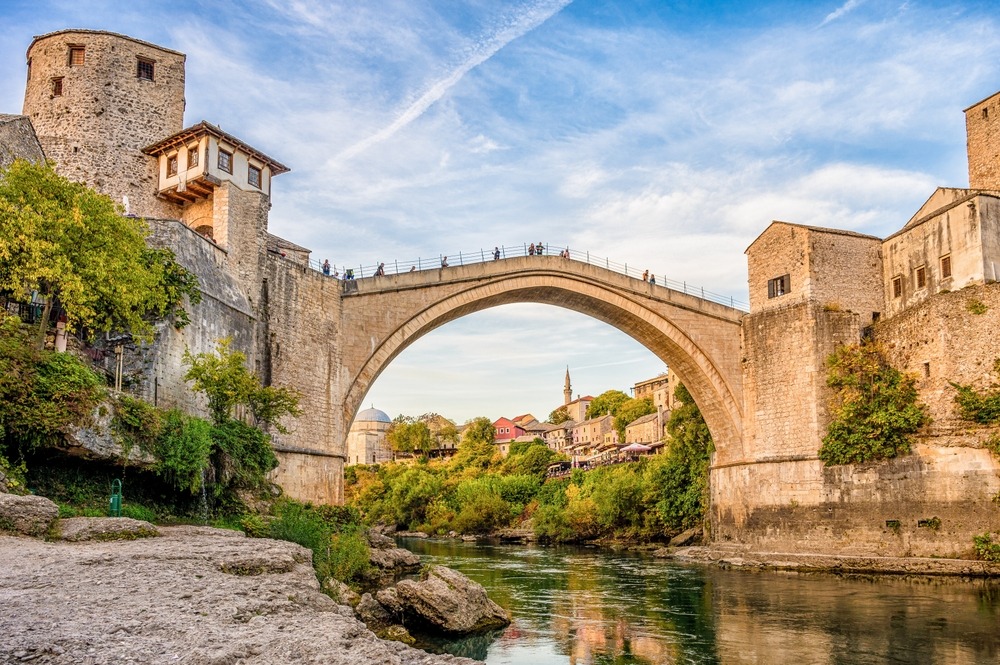
The waterfalls are located approximately one hour's drive from Mostar. Two routes available: R424 then M6 (42 km), or M17 along the Neretva before joining M6 (50 km). Public transport does not serve the site directly; private excursions are offered from Mostar.
From Split or Dubrovnik
Allow approximately 2 hours of driving from Split or Dubrovnik. From Split, follow motorway A1 or coastal road D8, then cross the border at Bijača or Crveni checkpoints before reaching Ljubuški. From Dubrovnik, travel up D8 toward Metković, cross the border, then head toward Ljubuški.
By bus, connections link Split and Dubrovnik to Mostar or Medjugorje; you must then rent a car or take a taxi to reach the waterfalls.
Practical information
- Opening hours: daily access, with extended hours in summer compared to winter. Check current hours before your visit.
- Fees: paid admission for adults (moderate rate), parking charged separately. Children receive a discount.
- Border: valid passport or identity card required. Verify that your rental vehicle is authorized to cross into Bosnia and Herzegovina (extended green card).
- Equipment: closed-toe shoes, swimwear and towel in season, water, sun protection.
Nearby attractions
- Herceg Stjepan Medieval Fortress at Ljubuški, which overlooks the valley and offers expansive panoramic views.
- Ruins of an ancient Roman camp in the same area, evidence of Roman presence in Herzegovina.
- Humac Franciscan Museum, Bosnia's oldest museum, housing archaeological artifacts from the region.
- Božijak Swimming Hole, a peaceful alternative to the waterfalls, frequented mainly by locals.
- 100 km of cycling trails along the Trebižat River, with heritage itineraries through villages and vineyards.
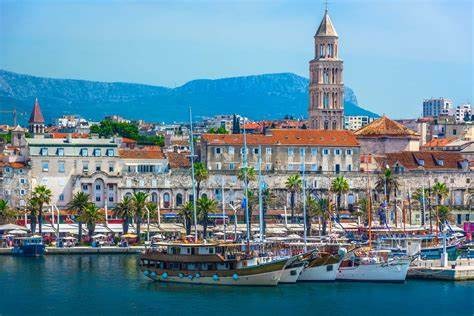
On the Croatian side, several complementary sites can be visited during the same trip: the Diocletian's Palace in Split, Zlatni Rat Beach on the island of Brač, or the Blaca Hermitage. For history enthusiasts, the Frankopan Castle is also worth a detour.
Frequently asked questions
Frequently asked questions
Planning your trip
Kravica Waterfalls integrate easily into a Croatian coastal itinerary extended with a cross-border excursion to Herzegovina. To build your complete itinerary, consult our Croatie travel suggestions and combine coastal sites, Dalmatian islands, and cross-border getaways.
Interested in this visit?
We can include it in your personalised itinerary.