Kornati Islands
Kornati Islands
147 islands, white cliffs plunging into the Adriatic and a national park protected since 1980: complete guide to visiting Kornati.
Located off the coast of Northern Dalmatia and comprising 147 islands, Kornati is one of the largest archipelagos in the Mediterranean. This natural gem is home to its eponymous national park, which protects more than half of its islands. With its dramatic cliffs, crystal-clear waters and unspoiled nature, Kornati is an ideal destination for sailors, divers and lovers of wild, untamed spaces. It offers a unique experience in the heart of the Adriatic.
History
The earliest traces of human settlement on this chain of islands date back to the Illyrian period, in the 12th century BC. The Venetian Republic left a deep mark on these maritime lands from the 15th to 18th centuries, leaving behind several remarkable vestiges such as the Piskra castle.
On the main island, Kornat, the basilica and church of Our Lady of Tarac bear witness to a rich medieval presence. Over the centuries, inhabitants shaped the landscape by building dry stone walls to demarcate their olive and vine groves.
The creation of the national park in 1980 marked a decisive turning point in the preservation of this unique heritage, resulting in the protection of 89 islands and their exceptional marine environment.
Flora and Fauna
The biological richness of Kornati National Park is particularly evident in its crystal-clear waters. Indeed, the seabed is home to 160 species of fish, sea turtles and an impressive variety of corals and sponges.
On land, iconic raptors such as the peregrine falcon and the eagle owl can be found. Terrestrial fauna also includes 69 varieties of butterflies, lizards and a few snakes adapted to the Mediterranean climate.
The vegetative landscape, shaped by centuries of grazing, today comprises 537 species of terrestrial plants. Cultivated areas are home mainly to olive and fig trees, while rocky slopes are adorned with sparse maquis typical of the Mediterranean.
What to do in Kornati National Park?
Sailing from island to island
Navigating through this maze of islands, between tranquil bays and narrow passages, is a tourist attraction in itself. An experienced skipper will guide you through this paradise for sailors, where each turn reveals breathtaking panoramas.
Moderate winds and calm seas create ideal conditions for pleasure sailing. You can drop anchor in isolated coves, sheltered from the world.
Exploring Kornat Island
Spanning 25 km in length, Kornat is the largest island in the archipelago. Dotted with vertiginous peaks and crisscrossed by numerous hiking trails, it's the perfect place for hikers and landscape lovers. The panoramic views offered from the summits are simply magnificent.
Among the island's hiking routes are Litnji vrh, a 1.4 km loop perfect for beginners. The Gujak-Vrulje, 10.5 km long and with an elevation gain of 107 m, is suited to experienced hikers.
Kornat Island will also captivate you with its history. Remnants of this region's past await you there.
The Tureta fort, at the southern tip of the island, was built in the 6th century. It served to defend the coasts and control maritime routes in the Adriatic. Its position at the top of a hill offers a superb view over the shimmering Adriatic Sea and the picturesque islands of the park. This edifice is now abandoned, but its beauty remains intact.
The Church of Our Lady of Tarac (Gospa od Tarca) is located in the heart of Kornat Island, near the bay of the same name. Dedicated to Our Lady of Prayer, it is said to have been built in the 16th century on the remains of a Christian basilica dating from the 6th century.
Although only the apse and a few foundations remain today, this place is of great importance, both religiously and tourisically. On the first Sunday of July, a maritime procession bringing together hundreds of boats, gathered for the traditional blessing of the sea and surrounding lands, takes place.
Kornat Island will also fascinate you with its numerous dry stone walls, built without the use of mortar. Extending for 70 kilometres across the island, these solid structures illustrate the labour and perseverance of former inhabitants. They were erected to contain sheep and demarcate properties, and constitute a fascinating aspect of the Kornati landscape.
Discovering Mana Island and its cliffs
The soaring cliffs of Mana rise more than 90 metres above the Adriatic Sea. These natural wonders attract thrill-seekers who come to practice cliff jumping in a breathtaking setting.
Mana's sheltered bay is a mooring point favoured by sailors. The clear waters around the island invite swimming and underwater exploration.
A marked trail winds along the rocky ridges, offering exceptional viewpoints over the archipelago. During their walks, the luckier visitors may spot dolphins swimming along the sheer cliffs.
Visiting Levrnaka Island and Lojena Beach
Located on the south-west coast of Levrnaka Island, Lojena Beach captivates with its silvery sand and pearly white pebbles. This rare gem is the natural sandy beach of the entire Kornati archipelago.
At the summit of the island, at 117 metres altitude, a panoramic viewpoint reveals a stunning spectacle of the bay and surrounding islets. The hike to the summit, accessible to all, takes about 30 minutes.
Snorkelling enthusiasts will particularly appreciate the crystal-clear seabed of the bay. Sailors can moor in shallow waters (6-8 metres). The island's two restaurants offer local specialities, notably freshly caught fish.
Scuba diving and snorkelling
Kornati National Park is teeming with diving spots. However, underwater creatures can only be discovered via authorised centres, as individual diving is prohibited in the national park. Renowned diving sites are concentrated around Rasip Island, with its underwater caves and colourful coral reefs.
Beginners can try snorkelling near the coasts to observe the 185 fish species recorded. Experienced divers will explore the drop-offs (down to 40 metres depth), where red gorgonians and sea sponges hide.
Appropriate equipment remains essential: wetsuit, mask and fins are supplied by local diving centres. Guided excursions, offered from May to October, allow you to discover the most beautiful spots safely.
Recreational fishing
Recreational fishing in the national park requires a special permit available from the authorities. This permit allows access to authorised areas, except for protected islets such as Purara, Klint or Klobučar.
Enthusiasts will particularly enjoy the diversity of possible techniques: trolling, casting or bottom fishing. The park's waters are home to notably breams, sea breams and red mullet.
For an authentic experience, local fishermen offer early morning outings where they share their knowledge of secret spots and traditional techniques. The fish caught can even be cooked in one of the typical island restaurants.
Practical Information
When to visit?
The best time to visit Kornati National Park runs from May to October. During this part of the year, the climate is pleasant, with ideal temperatures for water sports, hiking and exploration.
The months of July and August are perfect for enjoying the sea to the full. Note, however, that they are very busy. To avoid crowds and discover the archipelago in a more peaceful setting, opt for the months of May, June or September.
Boat excursions to discover the Kornati archipelago are organised from the ports of Zadar, Šibenik and Murter Island, with prices starting at €60 including lunch and national park entry.
For a more personalised experience, rent a zodiac or sailing boat. International licences are recognised, and several agencies offer daily or weekly rentals.
A third option is to travel to Dugi Otok Island by ferry, then rent a boat there or participate in a more intimate local excursion.
Attractions in Kornati Islands
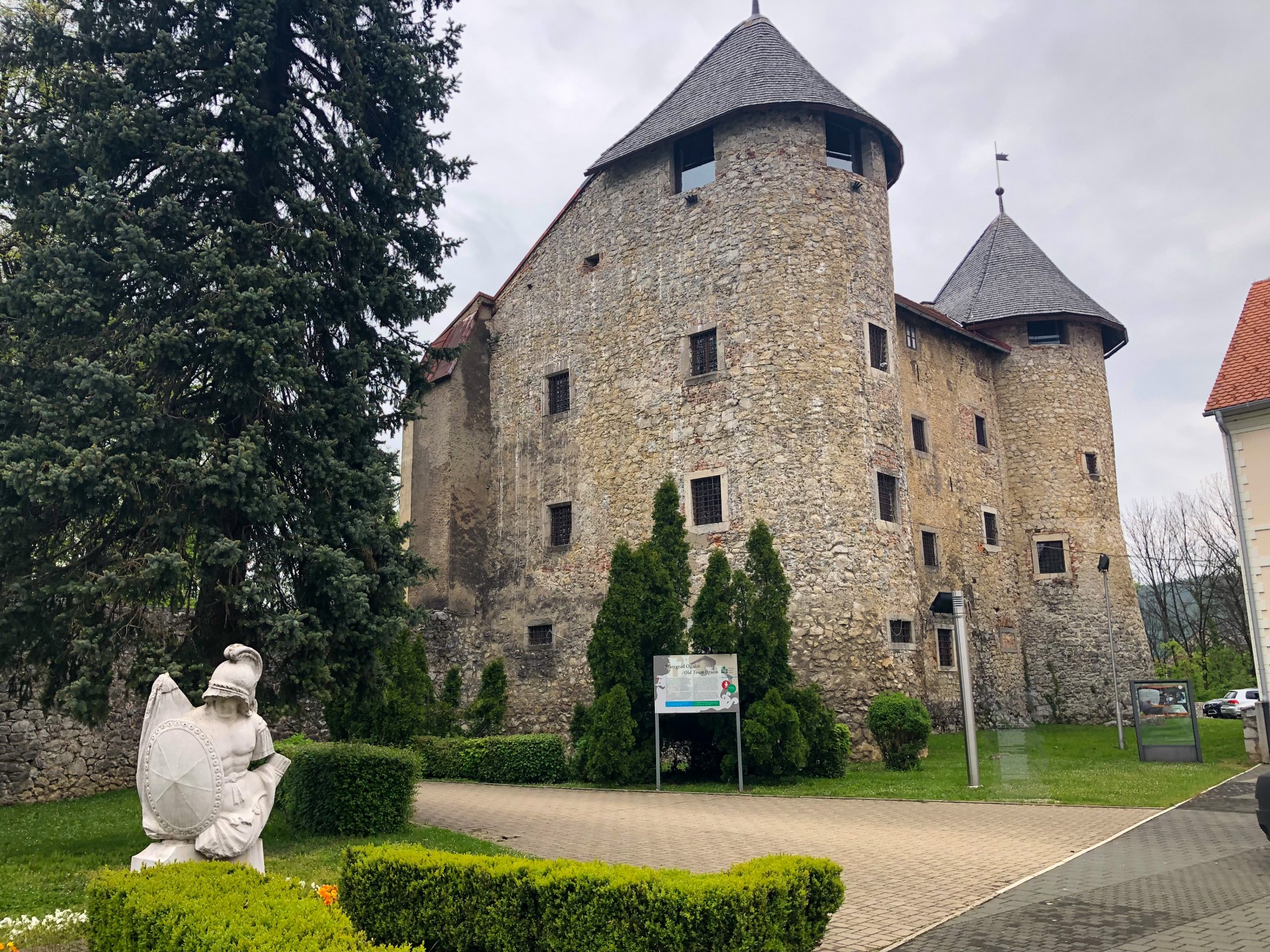
Château de Frankopan
Forteresse médiévale des Frankopan à Krk, construite entre le XIIe et le XVe siècle, témoin du passé croate et vénitien de l'île.
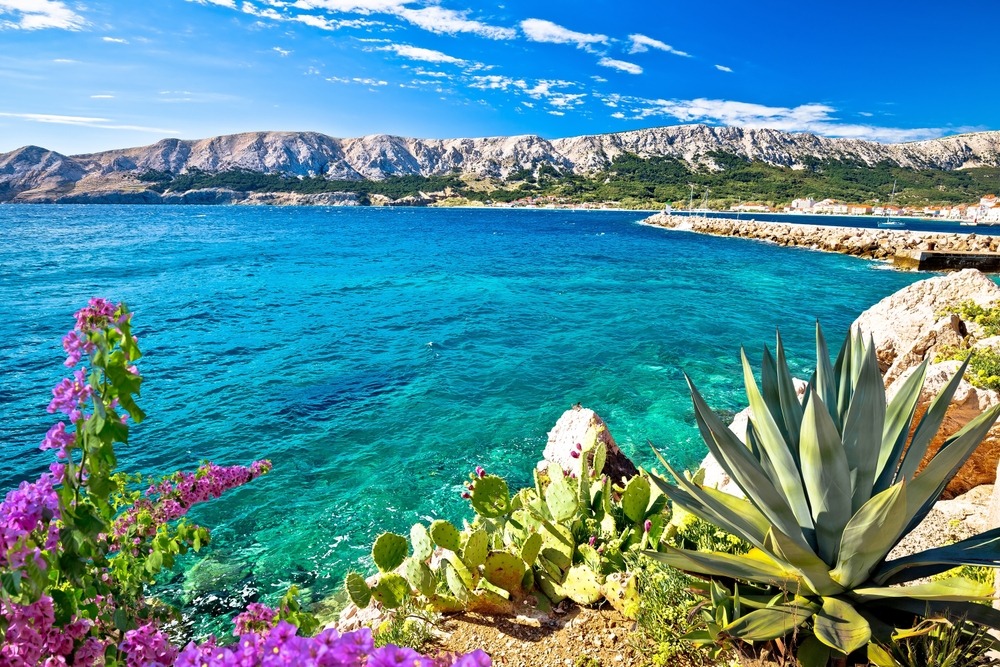
Baska (Île de Krk)
Station balnéaire du sud de Krk, Baška combine une plage de galets de 1 800 mètres, un patrimoine glagolitique unique et un réseau de sentiers côtiers.
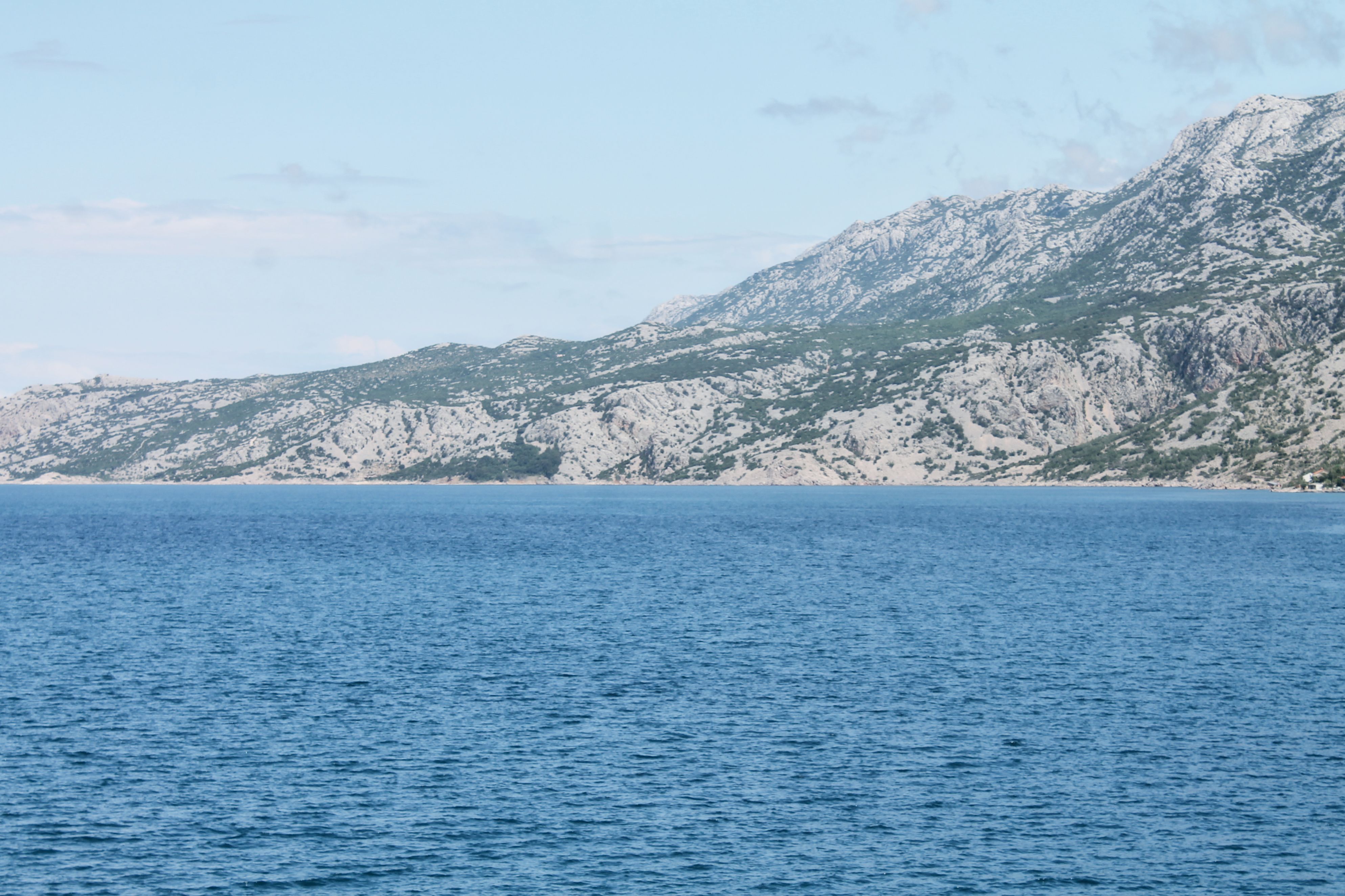
Parc national des Kornati
Environ 140 îles calcaires désertes entre Zadar et Šibenik, accessibles uniquement par bateau. Falaises plongeant dans une mer transparente, fonds marins préservés et criques isolées font des Kornati l'archipel le plus sauvage de Dalmatie.
Want to discover this destination?
Our local advisors design your tailor-made trip.